
Earlier this year, 74-year-old Ms. C came to the hospital for a full body checkup due to recurring discomfort. What was thought to be just a routine examination turned into news that was almost unbearable for her entire family: she was diagnosed with urothelial carcinoma.
This result almost devastated her and her family. In the following months, she underwent multiple rounds of treatment, yet the disease continued to progress rapidly and unpredictably, as if all efforts were unable to truly stabilize the situation. In this way, Ms. C's condition reached the mid-to-late stage. Just as her family felt increasingly powerless about the future, her attending physician noticed the advantages of our company's technology in capturing highly active CTCs and conducting target screening through in vitro cultivation, and immediately contacted us, hoping to find a new first-line treatment hope for her.
First Test: A Beacon in the Darkness
Ms. C sounded very tired on the phone. Over the past year, she had undergone too many tests, treatments, and repeated waiting, making her skeptical of the so-called 'new testing methods.'
'You all say it so confidently, but the results came out not matching my actual situation at all.'
However, after our technical expert provided Ms. C with a detailed explanation of our technical principles and advantages over the phone, and showed evidence of cooperation with various top-tier hospitals and pharmaceutical companies, she agreed to the blood test.
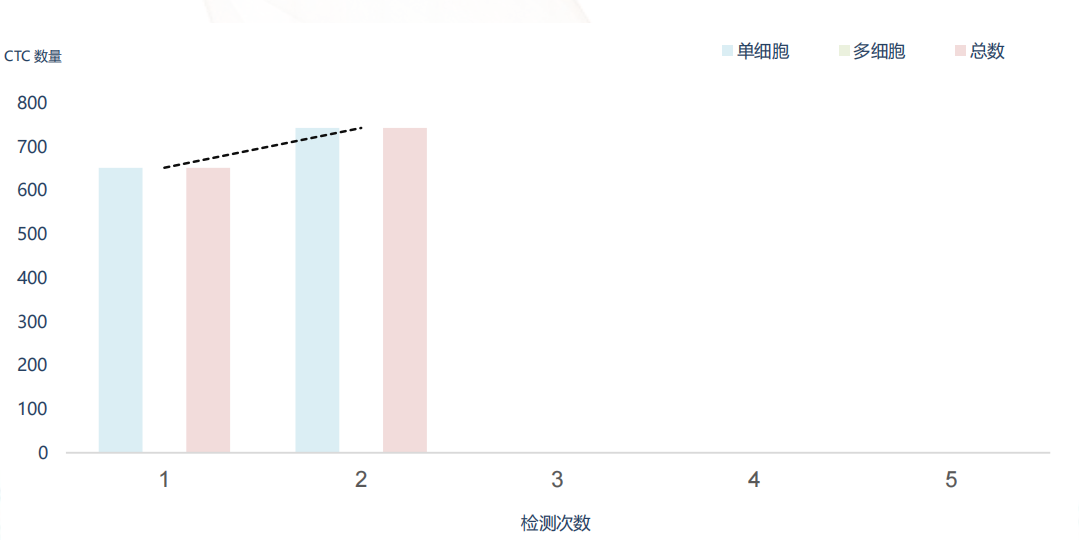
We processed her blood sample immediately. After 5 ml of peripheral blood was processed through our Labyrinth chip, the CTCs were all enriched into the test tube. Soon, the test results came out: the CTC count was as high as 652! This number closely matched the disease cycle determined by the hospital examination, accurately reflecting the activity of cancer cells in her body.
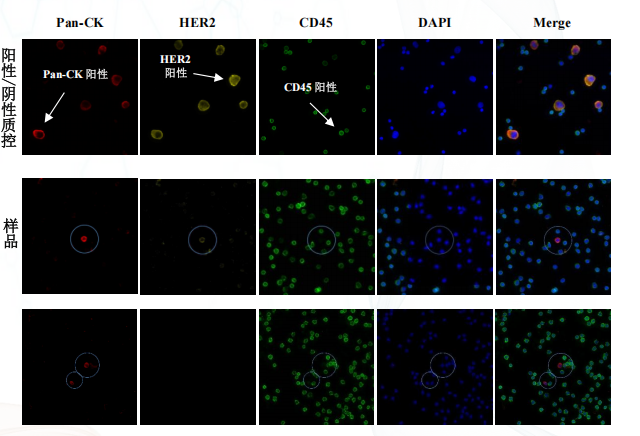
When the attending physician saw these results, they confirmed that the activity level of the tumor in Ms. C's body was highly consistent with the test data. For Ms. C, who had previously always been skeptical of our company's technology, this report made her realize for the first time: perhaps this testing method really does have value.
Second test: Bone metastasis confirmed, a chance to race against cancer
But the condition did not stop progressing. Two months later, hospital imaging examinations indicated the occurrence of bone metastasis. Faced with the new changes, the attending physician once again suggested sending blood samples to our laboratory and proposed including CTC culture and ADC target analysis in this test, in order to find a clearer direction for subsequent treatment.
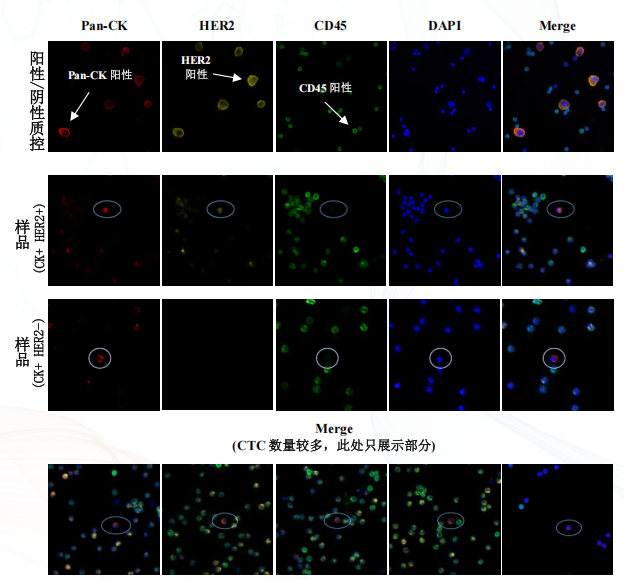
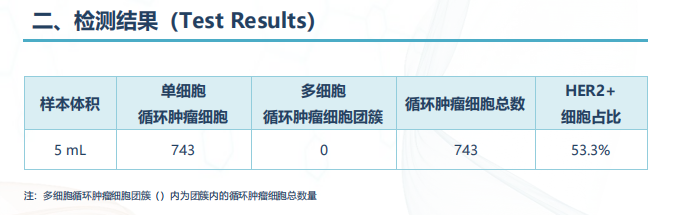
After the second blood sample arrived, we processed it immediately and conducted primary culture of CTCs and target screening. After the enrichment and culture steps were completed, the test results showed that her CTC count had risen to 743, which was highly consistent with the bone metastases detected by imaging; at the same time, target analysis indicated that the HER2 positivity rate reached 53.3%.
For patients with urothelial carcinoma, a positive rate of 53.3% means: she may benefit from HER2-targeted therapy. Compared to repeatedly trying various regimens, our report provides a clear treatment direction for the doctor and Ms. C, giving them an extra opportunity when racing against the disease.
When science is recognized by medical insurance, treatment is no longer far away
Following the doctor's advice, the family took our test report to the hospital for a medication evaluation. After reviewing the target results, medical records, and CTC culture data, the oncology expert team concluded that Ms. C had a clear basis for using HER2-targeted drugs. They quickly prescribed the corresponding treatment plan for her.
Subsequently, the family brought the complete set of documents to the medical insurance department for review. After verifying the test reports, hospital opinions, and medication indications, the insurance department also quickly completed the stamping process. This indicates that our test results have not only received clinical recognition but also earned the trust of the medical insurance system.
In the end, Ms. C successfully obtained the HER2 targeted drug.
More importantly:
The drug, originally priced at 7,600 yuan, she only needed to pay 1,200 yuan.。
For an elderly person who has been rushing between treatments for a whole year and whose family pressure has been continuously accumulating, a reduction of 84% means that the treatment truly becomes effective and affordable.
From Doctors' Trust to Insurance Recognition: The True Value of Technology Is Seen
Ms. C's experience allows us to see once again that the value of precise testing is not only reflected in the data itself but also in its acceptance by the medical system. This means that our testing has not only passed clinical examination but also received formal recognition from health insurance. From the laboratory to the hospital, from the hospital into health insurance, this step forward allows the technology to truly become a tool that can change patients' real-life choices.
In this battle against cancer, our CTC detection technology acts like a precise 'scout,' providing patients and doctors with crucial information and treatment options at every important stage of cancer, from early screening to ADC drug selection. In the future, we will continue to optimize and improve CTC detection technology, offering higher accuracy and more reliable results, to provide full-range health protection for more cancer patients—from 'early warning screening' to 'treatment pathways'—helping them move more steadily and further on their journey to fight cancer.