

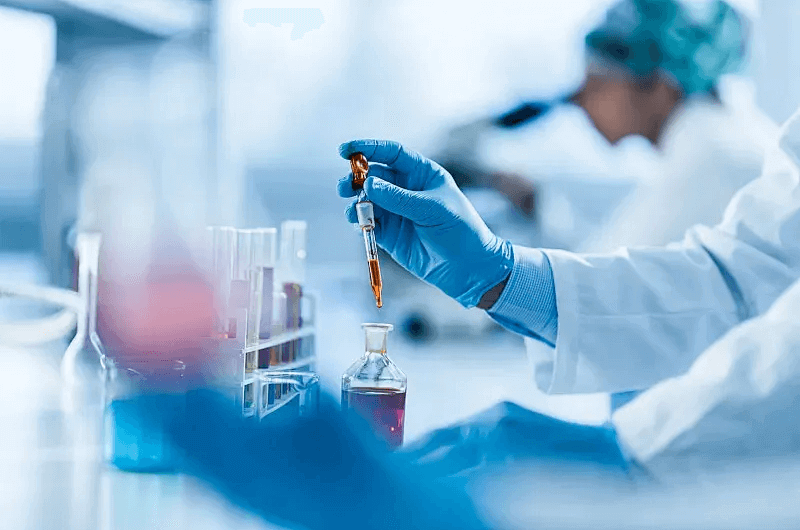
Suzhou Labyrinth focuses on the key decision-making nodes in ADC innovative drug development, providing a one-stop translational medicine solution centered on real tumor cell evidence. This includes ADC target detection and patient stratification, longitudinal pharmacodynamic assessment based on CTCs, as well as the construction of patient-derived CTC cell lines and PDX models, helping pharmaceutical companies more quickly and accurately complete candidate population identification and mechanism evidence accumulation from early target validation to clinical trial advancement.

-
ADC Target Detection Service
Labyrinth provides target detection and patient stratification support for ADC research and development that can be used for decision-making, conducting multidimensional assessments around target expression levels, tumor heterogeneity, and dynamic changes, helping pharmaceutical companies obtain clearer evidence chains in enrollment screening, response prediction, and exploration of resistance mechanisms.
View Details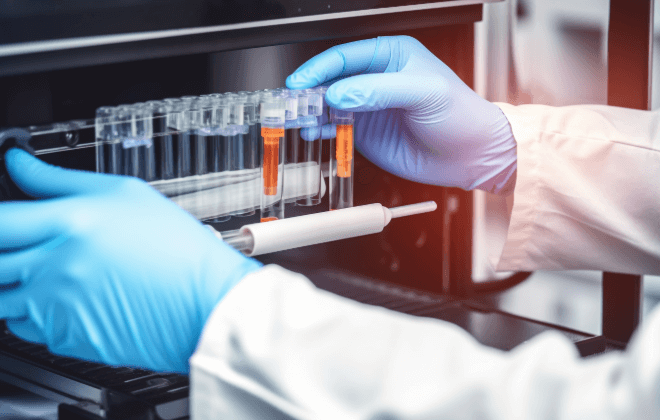
-

CTC Pharmacodynamic Evaluation Services
Based on our self-developed CTC separation and enrichment technology and downstream analysis system, we provide a pharmacodynamic evaluation program that allows for longitudinal follow-up, converting the changes in CTCs before and during treatment into quantifiable and comparable pharmacodynamic readouts, which can be used to predict efficacy earlier and assess resistance trends.
View Details -
CTC Cell Line and PDX Model Construction Services
Labyrinth provides services for the in vitro expansion and model construction of patient-derived CTCs, including the establishment of CTC cell lines and PDX model construction, forming reusable functional validation carriers to support ADC drug sensitivity evaluation, mechanism of action verification, and combination therapy strategy screening.
View Details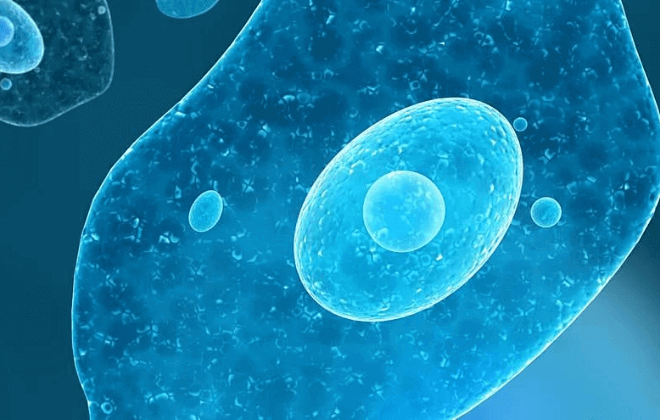
-

Informed Consent Form

-

Sample Collection
-

Enrichment and Purification
-

Target Identification
-

Cell Culture
-

PDX Model Construction
(Optional) -

Drug Sensitivity Testing
-

Final Report